
New York’s Metropolitan Opera is facing a $30 million budget gap after Saudi Arabia withdrew from a preliminary funding arrangement. Saudi officials cited economic damage from the conflict in Iran as the reason for the withdrawal. The Met must close this financial shortfall before its fiscal year ends on July 31.
The arrangement, announced in September 2025, was a memorandum of understanding rather than a legally binding contract. Under the terms, Saudi Arabia could have provided up to $200 million over eight years. In exchange, Met performers were scheduled to spend three weeks each February at the Royal Diriyah Opera House near Riyadh.
Peter Gelb, the Met’s general manager, said Saudi officials communicated the decision during a video call. They referenced the war and the disruption of oil shipments through the Strait of Hormuz. “They are only doing the projects that are essential,” Gelb told the New York Times.
Pre-war funding delays
Saudi Arabia had not transferred any funds under the MoU before the conflict began, according to ArtNews. That delay had already prompted the Met to implement internal cost-cutting measures. The company laid off more than 20 administrative staff in January and reduced salaries for 35 executives by 4 to 15 percent.
The Met previously drew heavily on its endowment during the COVID-19 pandemic to cover operating costs when performances were suspended. Administrators withdrew roughly $120 million, representing more than a third of the fund. Gelb stated the company does not plan to draw further from the endowment to cover the current deficit.
Instead, the Met is considering selling two Marc Chagall murals in its lobby to help balance its budget. Appraisers have valued the two pieces at around $55 million combined.
The proposed Saudi partnership had drawn criticism from artists and human rights groups before it collapsed. Critics pointed to Saudi Arabia’s civil liberties record and the 2018 killing of journalist Jamal Khashoggi at the Saudi consulate in Istanbul.
Broader financial pullback
The withdrawal comes as Saudi Arabia’s Public Investment Fund, which holds $1.15 trillion in assets, has also reduced spending on other major initiatives. The Financial Times reported this month that the PIF is ending its financial backing for LIV Golf. The fund has put more than $5.3 billion into the professional golf circuit since 2022.
PIF governor Yasir al-Rumayyan told Al Arabiya Business this week that the war would add pressure to reposition some priorities. He confirmed for the first time that The Line, a planned 170-kilometre linear city in the Neom development, is no longer a priority.
Saudi Arabia also suspended construction of the Mukaab, a cube-shaped structure planned for central Riyadh. Plans for a desert ski resort and an artificial lake were also abandoned. In December, Finance Minister Mohammed al-Jadaan said the kingdom had “no ego” that would stop it from walking back projects.
Oil exports
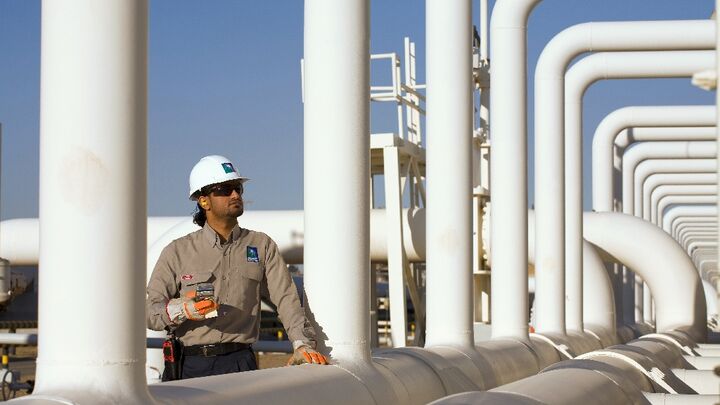
Saudi Arabia’s East-West pipeline carries crude oil directly to the Red Sea coast, bypassing the Strait of Hormuz. This infrastructure has allowed the kingdom to continue exporting oil during the conflict and benefit from higher crude prices. It is a logistical advantage that most Gulf neighbours do not currently have.
Following the collapse of the Saudi agreement, Gelb said the Met will now pursue similar cultural exchange arrangements with other countries to secure alternative funding.